
Sell Your House Fast in Memphis
When It Has Code Violations
Roof, HVAC, foundation, mold—whatever’s wrong, you don’t have to fix it to sell. We buy Mid-South homes as-is and close on your timeline.
No obligation. Local Memphis buyers.
Problems We Buy Houses With: Repairs, Damage & Code Issues
These are the problems that stall traditional sales. They’re also exactly what we buy through every week across Memphis and the Mid-South.
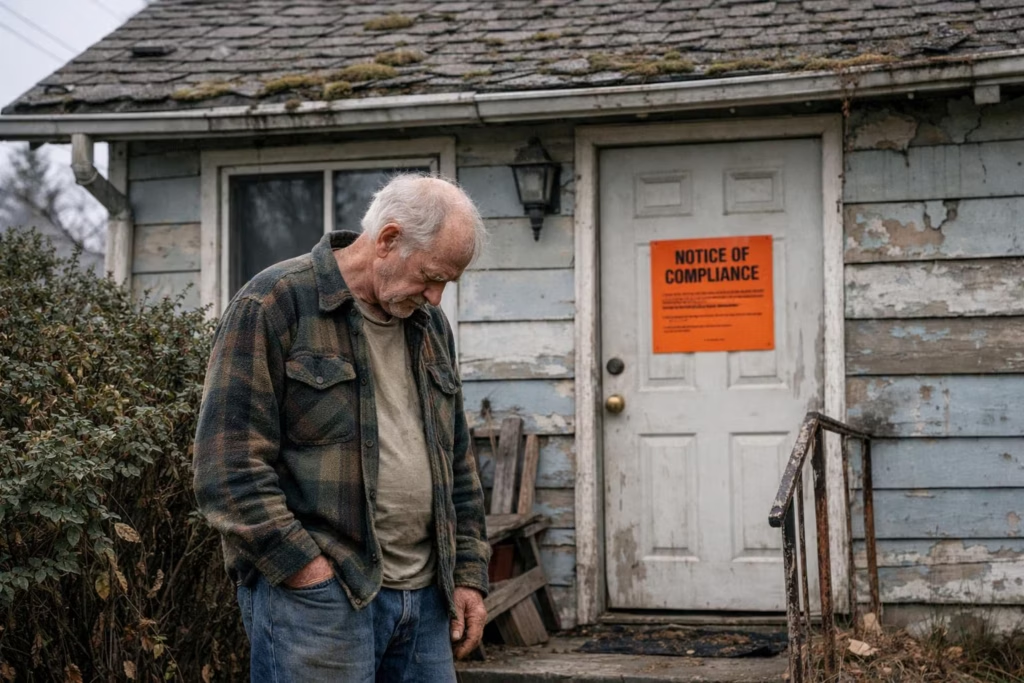
We Buy Houses As-Is in Any Condition
You don’t need estimates, contractors, or a punch list. Tell us what’s wrong, and we’ll price a cash offer that accounts for the work—so you can walk away clean.
- Leave belongings behind if you want—we’ll handle cleanout
- We pay typical closing costs; no agent commissions
- Close around your schedule—fast or with breathing room
Talk it through: (901) 640-3300 · offers@sellmyhousemidsouth.com
How to Sell a House That Needs Repairs in 3 Steps
A straightforward path from “this house is a money pit” to cash in hand.
Tell us about the house
Share the address and what’s broken—or just call. We buy houses in any condition across the Mid-South.
Get a cash offer
We factor repairs into a clear number. No obligation. No pressure to accept.
Close & move on
Pick a closing date that works. We handle title; you get paid and leave the headaches behind.
Reviews From Mid-South Homeowners Who Sold for Cash
Real Google reviews from homeowners across Memphis, North Mississippi, and East Arkansas.


Sell a House with Code Violations in Memphis & the Mid-South for Cash
A letter from code enforcement can turn a house you already feel stuck with into something that feels urgent overnight. Tall grass. Boarded windows. Unsafe porch. Open trash. Unpermitted work. Electrical or plumbing notes. Whether the notice is a first warning or a stack of citations, you may need to sell a house with code violations in Memphis (or elsewhere in the Mid-South) before fines, hearings, or repair mandates outrun your budget and bandwidth.
Sell My House MidSouth buys properties with active or past code issues across Shelby County and nearby communities in Tennessee, Mississippi, and Arkansas. We purchase as-is. You typically do not need to bring the house into perfect compliance before closing. Many purchases close in about 7–14 days—or on a timeline that respects deadlines you’re facing.
If you’re reading this after a door hanger, certified letter, or neighbor complaint that turned into a municipal file, you’re not alone. Owners in Cordova, Bartlett, Southaven, West Memphis, and across Memphis neighborhoods call us every month with the same mix of stress and practical questions: How bad is this? Do I have to fix everything? Can someone just buy it?
What code violations usually mean for sellers
Code enforcement exists to protect neighborhoods and public safety. For owners, though, a citation often arrives when money, energy, or distance are already thin. You may have inherited the house, moved away, stopped renting it, or simply fallen behind on maintenance. The notice doesn’t care about that story—it asks for action on a calendar.
Retail buyers and lenders dislike open code files. Appraisals and underwriting get harder when inspectors flag safety items. Even cash retail buyers may insist you clear every ticket first. That can mean thousands in contractors, permits, reinspections, and weeks of coordination—while fines or liens may still grow.
A local cash buyer who understands Mid-South code pressure can price the condition and the paperwork reality into one offer, then take ownership of the property—and usually the path forward on compliance—after closing. You’re selling a problem asset, not auditioning for a perfect MLS listing.
Common Mid-South code issues we see
Exterior and yard: overgrowth, debris, junk vehicles, fencing, peeling paint, or insecure openings that invite break-ins. Structure and safety: porches, stairs, roofs, foundations, fire damage left unfinished, or units that look unsafe from the street. Interior systems: electrical, plumbing, HVAC, or habitability notes after complaints. Occupancy and use: vacant-property rules, boarding requirements, or unpermitted renovations started and abandoned.
Cities and counties across Memphis, Bartlett, Germantown, Collierville, Millington, Southaven, Olive Branch, Horn Lake, West Memphis, and Marion enforce differently, but the owner experience rhymes: deadlines, photos, re-inspections, and a sense that “fixing it” is larger than one weekend project. A notice in Shelby County may look different from one across the state line in DeSoto or Crittenden County—the stress of owning the problem stays the same.
Sometimes the file is mostly cosmetic and curb appeal. Sometimes it’s deeper: water intrusion, structural concerns, or years of deferred work that only became “official” when someone complained. Either way, you deserve a buyer who won’t pretend the letter doesn’t exist.
Why traditional listings struggle with open citations
An MLS listing assumes buyers can finance, inspectors can bless the house, and underwriters can sleep at night. Open code violations interrupt that chain. Agents may still list as-is, but the buyer pool shrinks. Showings can feel awkward when the yard is overgrown or windows are boarded. Inspection negotiations turn into demands that you cure municipal items on a retail timeline.
You can win that game if you have cash for contractors, time for reinspections, and patience for a longer marketing cycle. Many Mid-South owners facing citations don’t. They’re juggling jobs, family, other debts, or a property they never meant to keep. A direct cash sale is built for that reality: fewer parties, fewer lender rules, and a number that already nets out the mess.
When selling cash makes more sense than curing every citation
Cash helps when the estimated cure cost exceeds what you’d recover in a retail sale, when you live out of town and can’t manage contractors, when the house is vacant and accumulating complaints, when you’re already under financial stress (taxes, mortgage, insurance), or when a hearing date is approaching and you need a clean exit more than a perfect punch list.
It also helps if the property is near condemnation language, if you’ve already spent on partial repairs that didn’t satisfy inspectors, or if family members disagree about pouring more money into a house nobody wants to keep. Heirs especially hit this wall: one sibling wants to “just fix it,” another wants out, and the city keeps mailing deadlines.
There’s no moral scoreboard here. Choosing to sell instead of renovate is a financial and life decision—not a failure to “try hard enough.”
How selling to us works
Our process is meant to reduce steps while notices are still on your desk.
1. Tell us about the violations
Address, copies or photos of notices if you have them, occupancy status, and what you know about repairs. Form, call (901) 640-3300, or email offers@sellmyhousemidsouth.com. Rough notes are fine—many sellers are still gathering paperwork.
2. We review comps, condition, and code context
Mid-South market comps plus what it will take to stabilize the asset shape a fair cash number. We look at location, damage, vacancy, and what open items imply for a buyer—not to shame the condition, but to price it honestly.
3. You review a clear offer
No obligation. Compare it to contractor bids, fine exposure, and months of listing an “as-is with citations” home. If the number isn’t right, you can keep curing, keep listing, or keep thinking.
4. Close as-is
Many closings complete in about 7–14 days once title is clear. We’ll talk through how open notices are handled so you’re not guessing at closing. If you need a slightly longer window for access, belongings, or co-owners, say so early.
You don’t have to finish the city’s punch list first
Many sellers assume they must pass reinspection before anyone will buy. That can be true for some financed retail deals. It is often not true for a direct as-is cash sale. Share what the city or county asked for. We buy homes that still need work—including homes with active files—when title and ownership allow a clean transfer.
If some items are already fixed, great. If nothing is fixed yet, tell us that too. Honesty about the file helps us move faster and keeps expectations aligned. Temporary mowing or boarding sometimes helps neighbors and reduces new complaints while a sale is in motion; it is not always a requirement to get an offer started.
Fines, liens, and title
Unpaid code-related charges can sometimes attach to the property or complicate closing. Tax liens, judgments, or municipal bills may also sit alongside citations. We work with title companies regularly on Mid-South files that aren’t “simple clean.” Bring what you know early: notice dates, amounts, and any payment plans. Surprises delay closings more than imperfect houses do.
We are not attorneys or code officers, and this page is not legal advice. For rights, hearings, appeals, and defenses, speak with a qualified professional in your jurisdiction. Our role is the purchase: a cash path when keeping and curing the property no longer makes sense for your household.
Vacant homes and code pressure
Empty houses draw neighbor calls. Mail piles, tall grass, and broken windows read as neglect—even when the owner is grieving, relocating, or managing the house from another state. If your code story started after vacancy—or after an inheritance sat untouched—selling can stop the cycle of notices faster than another round of temporary boarding and mowing.
See also our Vacant or Abandoned situation page if emptiness is the bigger theme and citations are secondary. Many files are both: vacant and cited. Tell us the whole picture so we don’t under-solve the problem you’re actually living with.
Cash vs. listing a house with open violations
Listing can work if you’ll fund repairs, manage reinspections, and wait for a buyer whose lender will accept the outcome. Many owners facing citations won’t—or can’t. Cash trades some retail upside for speed, fewer showings, and less project management during a stressful enforcement window.
Run a simple comparison: contractor estimates + holding costs + potential fines for 60–90 days versus a cash offer now. Add the value of your time—calls with inspectors, contractor no-shows, and weekends spent on a house you don’t want. For a lot of Mid-South sellers, the math favors exit over renovation theater.
Neither path is universally “better.” The right path matches your goals: maximum price, maximum speed, least cash outlay, least conflict with co-owners, or the cleanest end to a municipal file attached to your name.
Where we buy across the Mid-South
We buy homes with code issues throughout the Memphis metro and surrounding counties, including:
- Tennessee: Memphis, Cordova, Bartlett, Germantown, Collierville, Millington, Arlington, Lakeland, and Tipton/Fayette communities such as Covington, Munford, Atoka, Somerville, and Oakland
- Mississippi: Southaven, Olive Branch, Horn Lake, Hernando, and nearby DeSoto, Marshall, and Tate County towns
- Arkansas: West Memphis, Marion, and surrounding Crittenden County areas
Local rules differ by city and county. What matters for you is the same: a buyer who already works these markets and won’t treat a code letter like a deal-killer.
Scenarios we hear
First notice, already overwhelmed. You meant to mow, board, or repair—then life piled on. A cash sale resets the ownership problem instead of racing the calendar alone.
Inherited house with citations. Probate emotions plus municipal deadlines. Heirs often want one transaction that ends both the estate headache and the city’s file.
Rental that drew complaints. Problem tenants, deferred maintenance, or both. You’re done landlord life and done arguing with inspectors about a property that stopped paying you peace of mind.
Partial repairs, still not cleared. Money spent, file still open. Selling can be cleaner than another contractor round that may or may not satisfy the next inspection.
Out-of-state owner. Notices arrive by mail while you’re hundreds of miles away. Remote closing is often workable once access and documents are set.
Damage plus code. Fire, storm, or long vacancy left the house unsafe-looking. Costly Repairs or Fire or Storm Damage may overlap—code is what made it urgent.
Near-condemnation language. Scary wording on a letter doesn’t always mean the same outcome in every city, but it does mean you should move thoughtfully and quickly. Share the paperwork; we’ll review what we can buy and what title needs.
What “as-is” means when code is involved
As-is means we evaluate the property in its current physical and administrative condition. You are not expected to renovate to retail standards for us. We still perform due diligence—condition, access, title, and what open items imply for a buyer. Transparency protects both sides.
If a notice requires emergency boarding or immediate safety steps before closing, we’ll discuss that case by case. The goal remains a practical path to transfer ownership without turning you into a full-time general contractor for a house you’re trying to leave behind.
Empathy without judgment
Code letters can feel embarrassing. They often aren’t about character—they’re about a house that outran the resources available to maintain it. Illness, job loss, divorce, inheritance conflict, landlord burnout, and distance all show up in these files. You don’t need a perfect explanation to get an offer. You need a clear next step and a buyer who has seen this before.
We’re local cash buyers. When you call about selling a house with code violations in Memphis or nearby, you’re talking with people who close Mid-South as-is deals regularly—not a national call center reading a script about “we buy houses.”
What to have ready (helpful, not required)
- Photos or PDFs of notices / citations
- Approximate dates and any hearing or reinspection deadlines
- Known repairs already completed or estimated
- Occupancy / vacancy status and how we can access the property
- Any related tax, utility, or municipal balances you know about
- Preferred closing window
Missing pieces are normal. Start with the address and whatever you have; we can ask for the rest as the offer process moves.
Related situations
Code pressure often sits next to other problems. If repairs are the core story, see Costly Repairs. If the house is empty, see Vacant or Abandoned. If taxes are unpaid, see Tax Liens. If damage started the spiral, see Fire or Storm Damage. If tenants created the complaints, see Problem Tenants. Use whichever page matches the urgency you feel most—then tell us the whole picture when we talk.
Get a cash offer on a house with code violations
Start with the form above or call (901) 640-3300. Share the address and what the notices say. We’ll follow up with next steps and a cash offer you can accept, negotiate, or decline.
As-is. Local. Built for owners who need the citations—and the house—off their plate.
Helpful next steps
Related reading: vacant or abandoned and selling a house in Memphis. For official background, see the U.S. Department of Housing and Urban Development.

Ready for a number?
Call (901) 640-3300Where We Buy Houses in Tennessee, Mississippi & Arkansas
We buy houses as-is across Memphis, Shelby County, and the surrounding tri-state area, organized by county below. If you own property in the region, we want to talk.
- Covington
- Munford
- Atoka
- Brighton
- Mason
- Somerville
- Oakland
- Rossville
- Piperton
- Southaven
- Olive Branch
- Horn Lake
- Hernando
- Nesbit
- Walls
- Lake Cormorant
- Byhalia
- Holly Springs
- Senatobia
- Coldwater
- West Memphis
- Marion
Get a Cash Offer From a Local Memphis Buyer
Code enforcement letters show up across the Mid-South—Memphis neighborhoods, Cordova and Bartlett streets, Germantown and Collierville properties, and vacant or tired rentals in Southaven, Horn Lake, or West Memphis. We buy as-is homes with open or past citations throughout Shelby County and nearby Tipton and Fayette County communities.
We also purchase in Mississippi towns like Olive Branch and Hernando, and in Arkansas communities such as Marion. If your property sits in our coverage footprint and code pressure is part of the story, we can evaluate condition and paperwork honestly and work toward a cash closing that ends the ownership burden.
You don’t need every violation cleared before you contact us. Share the address, copies of notices if you have them, and access details. We’ll help you see a straightforward exit.
Living out of state while notices keep arriving? Call or email anytime. We’re local cash buyers used to Mid-South sellers who need speed more than another contractor round.
Code Violations FAQs: Selling Your House for Cash in Memphis
Yes. Homes with open citations or past code issues are a regular part of what we buy across the Mid-South when title allows a clean transfer.
Usually no. We buy as-is. Share the notices and what you know about repairs so we can price the file accurately and discuss how open items are handled at closing.
Tell us early. Title will review what must be paid or addressed to close. Surprises delay deals more than imperfect houses do.
Send what you have (photos, notices, deadlines). We evaluate many distressed Mid-South properties. Condition and legal status inform the offer and timeline.
Yes. Remote sellers are common. Once access and documents are set, title can often coordinate signing without you flying in for every step.
Many purchases close in about 7–14 days once cleared. Hearing dates, access, and title items can affect timing—we’ll set expectations early.
We don’t charge you realtor commissions. We typically cover standard closing costs so the offer is clearer to plan around.
Use the form on this page, call (901) 640-3300, or email offers@sellmyhousemidsouth.com with the address and any code notices you have. We’ll follow up quickly.